In September 2025, as part of my ‘Tune In Live’ session at the FOBISIA Music Teacher Conference, I set out to capture a clear snapshot of group and whole class instrumental learning across FOBISIA schools. The aim was to establish a starting point for developing shared strategies for implementing and leading instrumental learning. My interest in this area comes from managing the primary section of our instrumental programme over the past two years at St Andrews International School. At our school every student in Years 5 to 9 is given an instrument/log into an online DAW and receives one hour of tuition each week for the full five years. This system was already in place when I joined the school, first as a Teacher of Music and later as Head of Primary Music, although in the last 2 years we have expanded what we offer from the original 5 orchestral instruments to 7 and added an electronic music production stream called Young Producers to build a more varied and progressive offer for our students.
At this year’s conference the session time was limited, so I used several approaches to make the most of the expertise within the FOBISIA Music community. On arrival delegates helped create a visual map of current practice by placing post-its on a timeline to show what their schools provide. I also placed key questions on posters around the room and asked colleagues to add their own responses. These questions were drawn from issues raised at the previous conference, from my own experience and from discussions within a primary music focus group I am part of.
The review of whole class and co-curricular instrumental programmes across a range of international schools shows a diverse landscape. Programmes differ in structure, time allocation, instrument choice and progression models, but several consistent themes emerge. These themes provide useful guidance for anyone designing or refining an instrumental learning programme.
Wide variation in programme design
The case studies show no single model for whole class instrumental learning. Provision ranges from one hour per week on a single instrument for several years to termly rotations through different families of instruments. Some schools base instrument choice on existing staffing. Others design programmes around ensemble needs. Several schools like us are exploring new pathways, such as electronic music or msuic production, for students who are less engaged with more ‘traditional’ (orchestral) instrumental routes.
A common challenge is space and logistics. Managing large groups, multiple instrument types and varied ability levels places significant pressure on room layout, storage and staffing.
Instrument choices and ensemble alignment
Across the schools studied, the most common whole class instruments are ukulele, recorder and violin. These appear across all age groups due to their affordability, durability and accessibility for beginners. Cello, keyboard, tuned percussion and viola have moderate uptake. Brass instruments and flute are less common, usually due to cost, size, noise levels or lack of specialist staff. Rare instruments such as harp or bassoon appear only occasionally.
Several schools identified the importance of selecting instruments that support later ensemble development. Where the initial choices were too narrow or lacked balance, schools later added lower strings or brass to strengthen ensemble structures.
Progression pathways are essential for long-term engagement
Structured progression is a common theme across all models. Clear pathways increase retention and help students see the purpose of early instrumental work. Typical models include: • Whole class learning at no cost • Small group lessons as an optional or paid next step • Pathways into ensembles, orchestras or performance groups
Some schools continue these pathways into secondary years through compulsory participation, enrichment classes or more flexible programmes that broaden musical options.
Digital tools also play a role in creating arrangements that fit unusual instrument mixes or limited instrument stocks, which is a frequent need in international settings.
The importance of collaboration and leadership support
Effective whole class programmes depend on coordinated staffing. The strongest models involve collaboration between classroom music teachers and peripatetic specialists. Regular planning time, peer observations, shared resources and leadership buy-in are key factors.
Leadership support is particularly important for funding, long-term planning and maintaining consistency when staffing changes. Schools report that inconsistent expectations and unclear progression routes create confusion for both staff and students.
Inclusion, access and cultural breadth
Inclusion is a central motivation for whole class instrumental work. Schools emphasise the value of providing access regardless of background or financial means. Many programmes also include cultural or traditional music, such as gamelan, Chinese ensembles, steel pans or local heritage instruments. These broaden the musical experience and support engagement.
Some schools have created alternative pathways, such as electronic music production-based streams, as a valued alternative to orchestral instrumental learning. These pathways still include performing and composing but use technology and hardware to ensure access.
Common challenges across all models
Despite the variety of programmes, several challenges appear consistently: • Mixed ability and mixed experience groups • Limited instrument choice due to cost or availability • New students joining mid-year • Risk of disengagement when learning becomes difficult • Tracking progress across large or varied groups • Limited space, storage and staffing • Balancing performance focus with curriculum expectations • Maintaining progression in environments with high student mobility
These issues require systematic solutions rather than individual fixes.
Practical Strategies for Strengthening Instrumental Learning
The findings across schools suggest several practical approaches that can support effective instrumental learning, regardless of programme model.
1. Establish clear routines and systems
• Create consistent systems for budget, purchase, setup, handling, repairs and storage of instruments. • Provide simple visual guides for younger learners and practical checklists for older groups. • Keep equipment accessible to minimise lost lesson time.
2. Choose instruments that support long-term ensemble development
• Balance accessibility with future ensemble needs. • Ensure instrument families include lower instruments (eg trombone/cello) where possible. • Review instrument choices periodically as staffing or resources change and survey students and parents regularly to monitor engagement.
3. Build progression into the programme from the start
• Set out clear steps from whole class learning into small groups and ensembles. • Communicate these pathways to students, parents and staff. • Allow time for ensemble skills development alongside instrumental learning.
4. Use adaptable resources to manage mixed groups
• Select materials that suit varied ability levels within a single class. • Use digital tools to adjust keys, simplify parts or create flexible ensembles. • Maintain a shared library of graded repertoire.
5. Strengthen collaboration with peripatetic staff
• Involve specialists in planning so that resources and expectations are aligned. • Provide opportunities for joint teaching where possible. • Ensure that peripatetic input is recognised and supported by leadership.
6. Plan for inclusion from the outset
• Provide alternative pathways, such as digital or production-based options. • Keep instrument groups small enough for meaningful support. • Ensure new students have entry points that do not rely on previous experience.
7. Keep the cultural dimension active
• Include traditional or regional instruments where available. • Use ensemble projects to expose students to unfamiliar styles. • Link cultural units to performance opportunities.
The ‘Aspire Young Producers’ project at St Andrews International School is supported by Musical Futures International and Roland. Read more about the Primary School Young Producers Programme here.
Introduction
As music educators, we often face the challenge of maintaining student engagement and encouraging skill development when using music technology for learning. In my Year 6 Young Producers class, I observed an interesting pattern: after observing an initial period of play-based exploration with Digital Audio Workstations (DAWs) and hardware like the Roland T8 and J6, my students tend to abandon projects and start a new one rather than reflect, refine, accept feedback and finish them. This is despite one aim of the project to be grounded in student choice, with me as the teacher offering personalised and tailored feedback and support. These observations led to the addition of the Recreate Challenge to our Year 6 Young Producers curriculum, a project designed to encourage persistence, identify learning gaps, and gather student reflections on their learning to date.
Aims of the Recreate Challenge
I developed the Recreate Challenge with several objectives in mind:
Encourage students to see a project through to completion
Identify gaps in their technical knowledge and skills
Gather reflections on their creative process
Provide a structured yet creative task with a clear goal
Implementation and Overview
The challenge was structured in three distinct parts:
Choose a tool from Soundtrap, GarageBand, or Roland T8s/J6s (based on what we have available)
Select a song from a provided list
Complete a recreation of the chosen song using their selected tool
This part of the challenge allowed students to apply their skills in a focused, goal-oriented task while working with familiar tools and resources.
Part 2: Reflection
After completing their recreation, students were given a reflection sheet. This encouraged them to think critically about their experience, considering questions such as:
What aspects of the recreation did they find most challenging?
Which skills did they feel improved during the process?
How did this structured task differ from their previous exploratory work?
What new insights did they gain about music production?
This reflective component was crucial in helping students articulate their learning and in providing me with valuable insights into their progress and needs.
Part 3: Design a Medal
As a final, creative touch to the challenge, students were asked to design a medal that would recognize the completion of all three tasks. This aspect of the challenge served multiple purposes:
It provided a tangible goal for students to work towards
It allowed for creative expression beyond music production
It reinforced the sense of achievement in completing the challenge
Implementation
Students were given clear guidelines for each part of the challenge, including:
A specific timeframe for completion
Prompts for the reflection sheet
Template for the medal design
To motivate participation, the completed medal designs were printed and stuck onto medals we had left over from an instrumental competition (that the producers hadn’t really engaged with given its traditional focus on singing and instruments rather than music production)
Outcomes and Observations:
NB many of my learners have English as a second language so I have left their words unedited, as they wrote them to me.
The Recreate Challenge yielded several positive outcomes:
1. Increased Persistence: Students showed greater commitment to completing their projects even though they would tell me several times that they were finding it hard. The clear structure around the task and being able to refer them back to the tutorial videos, encouraging them to start again if needed helped me to focus my support on keeping them motivated and encouraging them to problem solve for themselves rather than rely on me to do it for them
Things I found hard – the complicated video and buttons ( tried more than 5 times)
Recreating songs is hard work
2. Skill Identification: Both students and I could clearly see which areas of music production need more focus in the next stage of teaching and this came out in the reflections. I was also encouraged by the learning they identified as having taken place
Piano Roll is INSANELY DIFFICULT , I don’t know why but it’s absolutely a nightmare to do it.
The piano roll is complicated
I found the Lead , Pad and Bass very difficult because of the complicated controls of the piano roll and the insane zoom in and zoom outs and gaps.
I learnt how to use the patterns beatmaker which was something that I didn’t even know it existed
I learnt how to add new tracks with instruments
I learnt how to use the Piano Roll
The zoom feature is especially useful , the zoom in and zoom outs help a lot with small details
There are lots of different sounds to select from in the DJ Controls , my favourite being Sunset City
The piano roll, because it is hard to place the notes, and the bass because it is hard to look for the style
3. Problem-Solving:It was interesting to watch the students discover that they needed to think for themselves as well as follow the videos. I was also really interested to observe that having mostly chosen chosen Soundtrap as their preferred platform, perceiving the J6 and T8 devices as ‘too hard’, some changed their minds, discovering that they had not even scratched the surface of what the DAW could do in their play-based work to date and that actually it was more challenging than they first thought.
It really hard to make beats with instruments
Lyric are hard to add
It hard to recreate to song perfectly
Platform I chose – J-6, Why I chose it – The computer was too hard
4. Peer Learning: Sharing their processes led to valuable peer-to-peer knowledge exchange. In some cases, children started to work in pairs to trouble-shoot together and I actually joined a group to learn alongside them in one case when they were on the verge of giving up completely, only to step back when they got going again.
Adding things on the piano roll was hard because I never used it and I didn’t know how to make it 16 bars like in the video but I found out in the end
I didn’t make any large changes to my choices but at first , we were going to do Save Your Tears by The Weeknd since we thought it sounded best but me and and my friend decided that Birds Of A Feather sounded better
5. Reflection Skills: Students improved their ability to articulate their creative decisions and challenges.
At First, I chose GarageBand because I wanted to try new things but changed from GarageBand to Soundtrap because GarageBand was a bit difficult for me as I have never used it to make music.
I chose this song because this song my childhood classic so I know how the song goes so I’m really used to it and I love it (but) I actually changed the blinding lights to save your tears and it was really hard to make the beat because it has a low high low high pitch which will make it extremely hard.
Many students reported a sense of accomplishment in completing the challenge. Common reflections included:
I found it easy when I concentrate and understand I’m able to do it and when I do it many time because I did lots of mistakes it make me use to it more
(I learned) how to react (and) to use new things
Aira is cool
I like succeeding
Conclusion
Based on the outcomes of the Recreate Challenge, I identified several areas for future focus in our scheme of work, which I will refine as a result of this project since this is the first year we have run it alongside our Y5 and 6 intrumental programme.
The Recreate Challenge proved to be an effective way to encourage persistence, identify learning needs, and foster reflection among young music producers. By providing a structured yet creative task, students were able to deepen their skills and gain valuable insights into the music production process. This approach not only enhanced their technical abilities but also developed important soft skills like problem-solving and self-reflection.
As we move forward, the insights gained from this challenge will inform our curriculum, ensuring that we continue to engage and challenge our young producers in meaningful ways.
In 2012 I started to write some reflections on what went on in my classroom on my blog Mrs Gower’s Classes. Mixed in with student work and the nitty gritty of day to day life in the music department, they tell an interesting story of 10 years working in Music Education in the UK. 10 years on, I am collating these so that they exist in once place.
To launch my new project ‘Music Now’ which will be a collection of these blogs, I am sharing the very first post I wrote reflecting on an INSET session I led for fellow teachers entitled ‘From Good to outstanding’.
Of course, as was the trend, arts subjects and PE were grouped together for staff training sessions like this and hilariously, at my school the seating went in order of priority of subjects with English, Maths and Science at the front, Humanities and Languages then Art, Drama PE and Music squished in at the back!
There were some positive outcomes from the session and we did decide to try to work more closely together as a group of teachers to try to avoid feeling isolated in our own smaller departments. It was good to work together in a group, rather than be lectured from the front by someone more familiar with core subjects than Arts and PE.
At our INSET entitled ‘from good to outstanding’ at the start of term, I was asked to teach a lesson I had done previously to try to prompt discussion about what is an outstanding lesson in an arts subject. The group consisted of teachers from art, drama, music and design technology.
The thing is, the more I think about it, the more I am wondering whether there is any such thing as simply an outstanding lesson. My new scheme of work with year 7 has been about so much more than just individual lessons week on week. The projects develop organically, I start with an idea of what I think we will do, but the students have been so creative that it seems to grow and change according to their responses! So if you asked to show one outstanding individual lesson, I don’t think I could do it. I could direct you to groups of students working feverishly on creating and performing music, learning together regardless of ability and prior experience. I could show you how I’m trying to encourage them to describe the music using relevant vocabulary and teasing out exactly what they played and the relevance of this to the piece of music as a whole. I could tell you the level at which they are working and you’d see me suggesting ways they can move their learning forward as I work around the class or groups. But whether they could tell you their level or not (and whether this matters) is a whole other blog. If outstanding teaching includes a 3/4/7 part lesson, complete with planned questioning, a ‘settling’ starter activity, mini plenaries and EVERY activity closely linked to National Curriculum levels then I’m afraid I fall at the first hurdle. But you can listen for yourself if you click on the D year learning journeys for the house music composition task on this blog.
Back to the point. I was given 45 minutes and I wanted teachers to experience a lesson from a student perspective. Can we remember what it’s like to be put on the spot, asked to improvise, contribute an idea, perform in front of peers? Do we ever really consider what students are experiencing in our lessons? Are they learning? The track above is the outcome we produced in our 45 minute lesson. I explained how this piece of music would then form the basis of the next point of study. In this case I identified ‘the elements of music’ traditionally our first year 7 project (not any more). How could we use the piece we had just created to learn about what the musical elements are, what they sound like and how we can manipulate them to create new sounds?
We never did discuss what was outstanding about that lesson. However it did open up a discussion amongst us about why as creative subjects we aren’t leading on creativity across the school. Fear of missing targets, of having to produce work that stands up to the ‘work scrutinies’ that SLT carry out periodically and the worry that we won’t tick the boxes were just a few issues raised. But one outcome was that we have pledged to try to work together more to look at what our subjects have in common and how we can learn from the approaches we use to offer a truly creative experience for our students. I’m looking forward to seeing how this moves forward (once the coursework is in, moderated, collated, sent off, breakfast, after school and weekend revision sessions are over and the exam season finished). Will we manage it? I hope so.
Collating my blogs from the last 10 years, I recently found this unpublished piece that I wrote back in 2018. At the time, I had recently come out of the classroom. After many years working as a project consultant alongside my classroom music teaching job, work opportunities overseas meant that I couldn’t maintain both. So at the time I was leading workshops, creating resources and developing training programs for Musical Futures International. My remit was to support the development of Musical Futures in international schools and to work with music organisations and music teachers across the world.
Supported by The NAMM Foundation, Musical Futures Australia had embarked on a series of teacher training and development events in China. Working with an organisation there, we visited many times over a 3 year period, working with children, families, teachers and giving presentations at various Music Education Conferences and trade shows as well as working in local Music Schools. After our first trip, I wrote some reflections for Musical Futures International (click here to read more)
We were never sure where this work would take us. Each trip was filled with surprises, unexpected schedule changes, communication issues, language and cultural barriers, but these became some of the most significant learning experiences for me as an educator of both children, adults and myself. It also opened my eyes to how a drive to educate people in music can bring people together and how the music itself can overcome even the most challenging of language barriers.
It was hard to convey the nuance of our teaching message via translators, especially when they themselves didn’t come from a music background. It was hard to explain what we wanted to achieve from practical workshops. But in ways that only music can, when we played together, listened, shared musical experiences through playing and talked about different pieces of music we loved with each other via our phones, those barriers fell away. The experiences we had together resulted in reflections which I started to write at the time, and which I continue to think about today. Again, I reflected more on this in my previous article (click here to read more).
The post is unfinished. There is much more to be told.
There are anecdotes of what happened when we arrived to deliver a workshop to 50 violin teachers, only to find 15 x 4 and 5 year olds and their parents waiting to be given a 3h music lesson delivered by ‘masters of a new musical teaching method’. Or getting a conference room of 100 delegates at a lecture about informal learning jamming/singing/beatboxing together with limited musical instruments and a wing and a prayer (as it happens the room was rocking and it sounded amazing – phew). We really had to put our lived teaching experience to the test, most of all with a trust in our approaches and years of using them with children in the classroom, staying away from using play alongs or resources grounded in pieces of music none of the teachers or children had heard before, and returning to the true roots of Musical Futures, Lucy Green’s ‘informal learning’.
We were thrilled to see a translation of Lucy Green’s book hear Listen Play… which had been given to teachers as a required text, then watched as these same teachers tried to pick out melodies by ear, seeing how each of them responded, some with trepidation, a nervousness about doing something new in front of others, some wondered why this was of value in a system where many children reach diploma level on the piano by the age of 11. There were times where we wondered the same. We had to better understand music education in China before we could try to present aspects grown from our own, to be able to share the successes that we had had in contexts very different from these.
Then there was the reality summed up by a parent of a 5 year old child asking if her child only has 15 minutes per day in the crammed schedule of homework, tutoring and extra classes, surely this time is better spent practicing her exam pieces and achieving the certificate. Where was the value in ‘messing about trying to play her own thing?’ I often wonder how that child got on and whether she is still playing.
But despite all this, we observed and experienced the same ‘click’ that we were familiar with in workshops that we had led in more familiar environments. That realisation that there is more than one way to learn music and that there can be space for individual and personalised learning, even within the most formal of music education contexts.
And then there is the end of the story of our work in China which left me with many incredible musical and teaching experiences that I have since brought with me into my new roles as an International Teacher in Asia.
So here is the post as I found it, written on 27th July 2018 asking what is a ‘music education’?
For the last month I have been on the road, participating in music education events in Australia, China and Baku.
As with all trips there were moments along the way that once home, have become thinking points for me. I found myself interested in the meanings and associations that people working in different parts of the world have when they use the term ‘music education’. Then considering this in the context of the work I was there to do and my own journey as a musician and educator.
I’m going to write this in stages starting with something that has niggled at me since returning from China-what exactly is a ‘music education’?
In a twitter thread about knowledge, more specifically knowledge-rich approaches in the context of music in schools and teachers John Finney pointed out a difference between being ‘musically educated’ and ‘musically trained’ and reading that got me closer to making sense of some of what I saw in China.
As part of the Musical Futures International delivery team, we were invited to deliver workshops as part of the National Music Education Conference in Bejing, an event with a music education focus incorporated into the annual Music and Life show for the first time.
Our aim was to introduce the core pedagogy of Musical Futures to teachers who work in the instrumental teaching sector which in China is what is meant by the term ‘music education’.
Musical Futures has always been an approach to classroom music, developed in the UK and then in Australia where the term music education is understood to encompass both music learning in school in a classroom environment and music learning in an instrumental setting, often in a music centre or music business existing separately from school. These 2 strands of music education often happen independently of each other and over the years there has been much discussion about the relevance of the core pedagogy of Musical Futures in instrumental teaching settings, whilst it has been shown to have great success in the classroom.
In China we asked about music in schools, but there was little to be learned. Music education doesn’t happen in schools there in the same way that it does in the UK, Australia or the USA. The entire focus of the conference was on music education as learning to play a musical instrument.
Our supporters at the NAMM Foundation who fund much of our work in Asia have built a great relationship with music organisations in China and as a result we are seeing an openness towards looking at different pedagogies for teaching and learning music. At dinner one night we heard of previous attempts to bring Orff and Kodaly approaches to China, but our host for the evening felt these had failed because teachers didn’t ‘buy into’ the pedagogy. They teach the way they were taught and round it goes. The system perpetuates itself and the issues within it remain.
This was my second visit and as before, the language barriers and differences in experience between my own musical education and teaching contexts and those of the people in front of us challenged me so much as a teacher.
I had to be flexible, adaptable, musical and to know the content inside out in order to differentiate on the spot, read the room and give each workshop an angle that fits with the specific needs of the teachers and organisations we worked with. Each has a very different set of aims, but the core ethos between us and them remains a drive to engage with new approaches to the learning and teaching of music, despite our language barriers and differing musical experiences. Much to reflect on and learn from.
But how much of making these workshops successful is down to my own music education? Which bits of my approach were musical and which were to do with teaching, communicating and understanding the content from the inside out, something which experienced teachers do every day?
Then there was another aspect to these trips that made me reflect on my own music education. It was the music.
In Bejing I heard traditional Chinese instruments played live and for the first time I really heard the timbres and watched the musicianship in the performances as the music flowed between performers. The ensemble and the way the performers moved and communicated together was as beautiful as the music itself. II watched a group of women in traditional dress play and sing, the rawness of the tones in their voices told the story behind the music for me because I couldn’t understand the words. In Baku I heard Mugham for the first time, fascinating and completely unexpected, new timbres and techniques. I understood that no matter the differences in our music education, the people I met had been brought together through music and through a drive to bring music to young people through music education. We all get up in the morning to do the same job, no matter where and how we are doing it.
A while ago I was sent a copy of Body Beats: An Easy and Fun Guide to the Art of Body Percussion with Video Access Included by Beat Goes On founder Ollie Tunmer (Hal Leonard 2020). I was excited to dip into this book because I have used body percussion in my teaching for many years. My approach has been amalgamated from various workshops, videos and my own ideas, usually to complement an existing activity or as a one-off warm up activity. I was interested to find ways to be more structured in planning for how I use body percussion to support progression and deeper musical learning, especially as I had become reliant on it as a tool for surviving long periods of online learning with students at home without access to a musical instrument.
Body percussion:
is immediate. There is no setup of instruments or equipment needed, so it’s a great way to get students involved in activities from the very start of a lesson
can be done while music is playing – a useful way for students to hear music, whilst engaging with it and different aspects of the music you’d like them to respond to can be teased out
can be done without music playing, but be built on a groove or pattern that may exist in music children will hear later – working towards a ‘reveal’ which sounds familiar when they hear it in its full musical context
can be expanded to include vocal percussion so is great for singing warm ups too
is part of the essential skill of hearing and embodying the pulse which helps with issues of timing
can be made into a game for ice breakers or to break up other activities
can promote listen and copy helping students to understand when to listen and when to join in and to practice taking turns
is physical and gets students up and moving
However, one of many downsides of online learning and subsequent Covid guidelines and restrictions has been an over-reliance on videos in music lessons. Whilst it is great that there are now so many videos available, including play alongs that come in all shapes and sizes (and are of varying quality too), it is easy to lose sight of progression and how each activity might build from and to something. It’s also a shame to just press play on a video and let the children follow, rather than learn and adapt an activity in ways which suit the particular age or experience of each class that you teach.
I have found that on their return from online learning, many children have become totally reliant on watching and following videos, far more than actually learning through listening and hearing sounds. So the activities in the book have been a great way to take a step away from video play alongs and refocus on supporting children with hearing, listening and responding to music whilst participating in whole class music making.
It is useful to have access to everything in one place, which means that you can plan for progression and also reflect on wider learning and how to add depth around the patterns that you choose. Many are inspired by different grooves from a wide range of different musical styles and from all around the world. There are also examples of activities linked to the excellent BBC Ten Pieces resources which is a great practical introduction to its featured pieces of music.
The ideas in the book for body percussion to support literacy have been useful for my EAL students and as part of a recent songwriting project with year 6 where we have been exploring how to make lyrics fit with music they have composed.
Finally, the video examples are invaluable to help to interpret the visual representations of the beats and these make it easy to teach yourself so that you can then use them to lead activities with your students.
You can also join Anna and Steve Jackman as they co-present a series of Webinars for primary and secondary music teachersin June 2022Click to read more…
A debate kicked off in a Facebook group recently as it often does. A simple question asking ‘Musical Futures yay or nay?’ resulted in the spewing forth of polarised opinion and sadly as it so often does, it got personal. “How do you teach Stravinsky using Musical Futures” one person asked. Why teach Stravinsky? (not put quite so politely) featured in a number of replies. Being on a different time zone, overnight here, the comments escalated and I really considered whether to contribute. Over the long time that I have been associated with Musical Futures (the original Informal Learning Pilots which my school participated in were a terrifying number of years ago now), I have been accused of: (amongst many other things)
being the MF ‘Mafia’
being overly ‘dogmatic’
consciously doing a disservice to the children I teach and the teachers I have trained by engaging with informal learning and other ‘creative’ approaches
dumbing down what’s on offer for my students
being ‘anti notation’
too many other negative things to be bothered to remember
But you know what? I am a teacher. Like all teachers, I get up every day and I go to school (or sit at my laptop waiting for the ping of arrivals to an online lesson) to do my best to bring things to life for my students. I try to make informed choices about what and how I teach, in the hope that it will have a positive impact on the children. I am not particularly beholden to one way or another, I mash things together to suit me, my school and my students and I try not to judge other teachers that make different choices to me. But I do try to share things that I have tried, because it’s through this kind of sharing that I have found so many new ideas and thoughts to feed into my own development as a teacher.
Yes I am frustrated when people have never used informal learning in the classroom, have never spent years personalising it, nurturing it, evolving it, start dictating what is and what is not dogmatic. I do feel sad when I hear approaches that have worked so effectively for me in turning around impossibly challenging classes be comprehensively derided. I feel sorry for teachers who are trying new things, taking risks, looking to develop by exploring new things or who are working in schools with no budgets, no music colleagues, no SLT support. When you realise, that for good reasons you aren’t teaching like the guy giving the Keynote who is scathing about what you are doing, it makes you question yourself, your values and all the things that you can see are making a difference because they work for you and your students. I was that teacher for a while at the start of my career. It’s pretty demoralising.
So with all that in mind I reflected on whether Musical Futures really is the Marmite of Music Education due to the strength of feeling, positive and negative, that people have about it and the lengths that they will go to either support or condemn it. And I suppose in order to really dig into that you have to first identify what Musical Futures actually was, is and/or how it is understood as it has continually evolved in the hands of teachers who have used it, organisations built around it and people who care about it and implement it in music education settings around the world.
I want to write about some of this, over time. I will probably do so without proper academic references, without hyperlinks to further reading. I’m on a journey of reflection at a time where things across the world are not as they were and probably never will be again.
Meanwhile, how would I teach Stravinsky to 13 year olds using Musical Futures?
There is a lot to dig into about Informal Learning with Western Classical Music in the archives, but I reckon I would use classroom workshopping (not unique to to MF but that’s where I came across it and grew to love it).
We might start with rhythms, taking that first driving quaver pattern from The ROS, play around with accents and maybe dip into playing with time signatures and beats in a bar and ask do those change how the music sounds?
Then we might create some chord clusters together hearing, choosing, changing and add those in.
Next maybe we could do some melody work using scales inspired by folk music. Craft some melodies together until we have created a totally new piece of music.
Finally I would then play them The ROS. I wonder if any of what they would hear might sound somehow familiar to them, having explored lots of the musical and compositional techniques in their own class composition.
When we finally return to face-to face teaching here I will try it with a class. It sounds like it could be fun.
The Community Music project at Monks Walk began with a blank sheet of paper on which I was asked to write my own job description for a new role called Head of Community Music. I had just returned from maternity leave and having previously started to put into place some new musical relationships with local primary schools, my only remit was to build on this further. I had 2 hours protected time a week but no budget and from those small beginnings the impact was huge.
As a result of 5 years of growing that role and putting in place the structures and relationships that still exist between the schools today, I have realised that I’m passionate about how we can use music to lead on improving the transition and transfer process for students and how to unpick what is potentially a bit of a can of worms when it comes to curriculum and planning at year 7 and beyond.
Using the transcript and slides from a keynote presentation I gave some years ago, and with transition now coming back into the #MusicEd discourse with the release of the new Model Music Curriculum, I’m going to open up that can of worms again and share a few of the things I learned. I will share what I called my ‘Year 7 Can’ initiative which informed curriculum development and planning for the Music Department at Monks Walk and details of the transition work that this grew out of via the Monks Walk Community Music Project.
About ‘Year 7 Can’
Year 7 Can completely changed our approach at Year 7 and the knock-on effect was that we also had to make significant changes in Y8, 9 and above. It consisted of:
Transition work via the Community Music Project to better understand the musical experiences of our Year 7 students coming from primary school and to break down barriers between primary and secondary school music
Revisit our Year 7 baseline, curriculum, planning and delivery to put a greater focus on year 7 music than had previously been in place
To carry out research and to embed more student voice into the process, especially to better understand the expectations students had of music at secondary school and how these matched the reality of what they actually found themselves doing
Baseline
I have written about this elsewhere, but our Y7 Can approach to baseline was founded on the following:
How do you allow every child to demonstrate what they can do regardless of what they may have done before?
What is a level playing field to assess what they can do when they may have had little or no musical experience through which to demonstrate what they can do?
How do you engender confidence in the students to be able to show what they can do?
How do you allow enough time for all students to show what they can do? (Baseline assessment is continuous not a one-off activity)
What are the right questions to ask before you start? Mine were:
• What do you want to know?
• Why do you want to know it? How will you use that information?
• How can everyone demonstrate their ability regardless of prior experience?
Student Voice
Year 7 Can involved regular student questionnaires based around themes such as student expectations of music at secondary school, memorable musical experiences they had had, things they liked and disliked about music and so on. These started in Year 6 and continued through every project at KS3 with questions selected to support future planning and to dig into which aspects of our curriculum and approaches had been the most successful. I used to assume the students were enjoying, achieving, attaining, now I knew much more. We set regular online surveys as homework and most importantly we wanted them to care about their music lessons and their work, so giving them time and space to reflect and feedback via a questionnaire went a long way to them feeling that their voices mattered in our music department.
Here are some examples of the feedback that helped us to plan, develop and deliver our Y7 Can curriculum
OK so this might not look like much. It’s light on detail and doesn’t prescribe content other than what was in the resources we drew on to support learning. But the learning journey involved in each of these projects was immense and personalised to each class and the approaches we used were firmly grounded in non formal teaching and informal learning. We did lots of whole class workshopping inspired by pieces of music chosen by them and by me. We learned through playing and hearing music and I used my blog MrsGowersClasses for feedback and as a record of each project as it went along. For homework I would post playlists or pieces of music for them to listen to and I wanted to ensure that class music time was used for things that. they couldn’t do at home. Playing and making music, learning subject specific language, theory and skills in the context of music they were playing, listening around their classwork and becoming familiar with a range of different starting points. They did start to care about ‘their’ music. They wrote letters to Nicola Benedetti challenging her views on what a good music education should be and one of them actually sent theirs and got a reply. They started turning up to extra curricular music clubs, especially our Year 7 Music Club which was open to all and billed as ‘more of what you do in music lessons, just after school!’ And there were wider impacts of the Community Music Project as a whole including:
Ensuring continuity, In year 7 when I left the school, having worked with 10 schools in 5 years, were students I had known since they were in Y3 or 4
Collections from our concerts went to charity, we raised over £600, and we were self sustaining. With no budget from the school we were able to buy a whole class set of ukes to take from school to school and a class set of guitars that ‘resided’ at primary schools on a rota across a year
The project was rated outstanding in a department review and acknowledged positively by OFSTED
A department review found that the 6th form music leaders were getting a positive experience that they would not have got if it weren’t for Community Music. Scroll down to see an interview with one of them who said “now I want to be a teacher”
Take up at KS4 for the first group that engaged with the project and then went through the revised KS3 experience was the highest the school had ever had
We established a school orchestra of over 60+ students as students with musical experience started to choose our school
About The Community Music Project
The reflections I went through while writing this helped me to realise why I think it worked so well. It’s because the relationships between us and our feeder primary schools weren’t forced. They evolved from a shared vision-we all wanted to create better opportunities for music for our students, to identify shared values which sometimes really did vary from teacher to teacher and school to school, but mainly to find more of those moments where you know that the students have really benefited from something they have done in music. I wanted to create opportunities for experiencing those moments you and they will never forget, and to establish an equal partnership that saw both sides really committed to improving our own practice, learning from each other, developing a shared pedagogy, being willing to try new things, to take a few risks and put ourselves out there. And perhaps most importantly, to accept that perhaps we were on a learning journey too, sometimes maybe only being one step ahead of our students as we found our way through.
Also key to this was that the result was sustainable. I’m not at the school any more, but the primary work continues with minimal additional contact time being allocated and that’s vital to making transition work effective.
How it Started
The evolution of the Community Music project started 2 years before I took on the role. I was doing a few days consultancy work for Musical Futures UK around my teaching job and we were developing a resource for transition. I realised that to be involved in the development of this work, I needed to know more about primary music than just my impressions as a secondary music teacher. Also a driving factor, was that as my own children started at primary school I began to take a greater interest in what they were up to each day. The music at my closest primary school at that time was led by a specialist from the music service who taught one day a week at the school. As I was working part time then, I asked if I could shadow her for a day and following that we found ways to start to collaborate. I also approached other local schools, starting via someone I knew there (a fellow parent I got chatting to at dance classes, a friend of a friend) who often then introduced me to someone in a different school. So a little network had already started to form around these preliminary visits.
Those primary visits were the most eye-opening experience of my career, alongside the lessons I watched out in Australia and which I have blogged about many times before. They inspired change in my own practice and as I blogged my reflections, that change became embedded in how, what and why I taught music day to day in my classroom and drove a longer term vision for expanding that across our school and more widely working with local primary schools.
Here is one of the primary music teachers sharing their wishes for transition from primary to secondary music and some of the challenges.
The beginning….
In that first year, whilst I was still Head of Music, we ran a programme of events with a couple of local primary schools, organised in my free periods and sometimes on my days off.
A foundling primary school choir came and sang at one of our concerts. We took over our Taiko Drumming group to perform to the children in their arts week and I spent some more time in the school. This informal work came to an end as I was about to go on maternity leave but before I left I said to my head teacher that if there was ever an opportunity to more work with our feeder primary schools I could see a massive value, not just in connecting through music, but also in easing the transition from what I now saw as an entirely different ethos, pedagogy and approach into the world of secondary school. I also told him I thought we had a lot to learn from our primary colleagues and that this could have a far wider impact on the whole school not just in music. So after a year on maternity leave where working a day a week for Musical Futures took me into a range of schools and full of ideas to take back with me into my classroom, I was offered a new role called Head of Community Music and that blank sheet of paper on which to write my own job description. It was an amazing opportunity to develop a strategy and a vision for something I had started to feel really passionate about. I was incredibly lucky.
Getting Started
As I started to pull together what Community Music might look like and filled my blank sheet of paper with some ideas, I realised that to be successful, this would have to be a 2 way partnership where I was completely honest about what was happening in my own school and my own classroom if anything I did with the primary schools was to have an impact or be sustainable. To ensure continuity and progression I had to find out where my students were coming from and build on this. And as I was no longer head of department and lots had changed in my absence, this wasn’t necessarily going to be an easy job. I had no budget, few direct contacts and no idea what I was going to be doing!
So I made this my starting point. To take what I had seen and reflect on what I knew best, my own school and my own classroom. I took what I had seen so far in primary schools and re evaluated everything. And ironically in my first year in this role, I wasn’t given a single year 7 class to teach! So I watched and listened objectively and compared what I saw in the year 7 lessons with what I was learning in the primary schools. And I learned SO much….
I realised how little I knew about the previous musical experience the year 7s had. I discovered that not only was life in a primary school completely different in terms of everything – from how the classrooms were laid out and decorated, how behaviour was managed, how the children worked and responded to each other, the relationships between teachers and their classes – but I was thoroughly ashamed that I had made assumptions that were completely wrong about the enthusiasm for music, their musical ability and engagement and how music was being delivered in primary school and I realised that my approach had been based on ‘year 7 can’t’ and not ‘year 7 can’
I had fallen into the trap of assuming that what we offered at secondary with our music rooms and resources, and specialist teachers was far better than anything they could have experienced at primary school and therefore year 7 would have to start again in order to achieve what we wanted them to in our school. In addition to that, Y7 were normally pretty well behaved and so the Y7 curriculum took low priority when it came to revamping projects and thinking about what we did with them. If they were behaving, they must be loving it right?
It seems I wasn’t alone in these assumptions. I started to look through online forums to see how other teachers started the first year with their new intake. Here’s some of what I found:
“I would probably NOT do a whole lesson on theory, but have half the lesson on theory sheets and then get them to do some short practical project that used the aspect of theory I was teaching.”
“I gave my yr7s 5 mins to do the ‘exploration’ on keyboards in the first lesson – this was to get it out of their system! They will now not touch them til at least half term and then will do Ode To Joy”
“My year 7 already have been able to do happy and sad chords. I use these as starters. Pupils have laminated cards and hold up different colours if they think it is major or minor happy or sad. Ticks lots of boxes including AFL”
“Learn to play ‘Ode to Joy’ demonstrating loud and quiet dynamics. Play ‘Eastenders’ theme tune using different timbres. Compose a piece demonstrating 2 different elements of music. Learn to play either High Tune or Low Tune of ‘Wallace and Gromit’ using Right Hand”
I also found reference in these forums to things that I had seen already happening in primary schools which raise the question of whether our year 7 curriculum was challenging enough or in any way built in prior experiences
For example:
1) Still a popular way to start year 7 is an introduction to the elements of music, yet I saw elements of music posters on the walls in a year 3 classroom
2) Graphic scores-I saw these being used to created haunted house storyboards on the wall in a year 5 classroom – at the time this was a popular project to do with Y7
3) I saw lots of singing yet I wasn’t confident leading singing so didn’t really do much in year 7 – how could I build on this in a way that they would perceive as ‘grown up’ and relevant in their new-found independence as big Y7s at secondary school?
I also asked the children in year 6 across 4 different primary schools to complete an online questionnaire about what they were most looking forward to in music at secondary school to compare with the forum posts and some of their responses included:
• Building my confidence with singing
• Play in a band as a guitarist and singer song writer
• To take part in a show
• Learn to play an instrument
• To learn to play the electric guitar because I have one but I can’t play it.
• Learn more complicated songs
• I Would Like To Participate In A Musical Trip And Concert
This mismatch between the expectations of year 6 and what the forum posts suggested that they were actually experiencing is what underpinned the focus of the Community Music Project. There was no initial budget (so we fundraised to create one), limited time given to this, I had 2 additional periods a week (so I asked for my non contacts to be grouped together so that I could get out to schools), but fundamentally underpinning all of it was that it had to be sustainable, something that we could embed and grow across subsequent years. So here are some of the things that we did.
Music Leaders
First I got some help in. I recruited some 6th Formers as our first Music Leaders to come into schools with me. We got the 6th Form Enterprise group at school to make T shirts for them and promised to pay when I could and off we went. Our 6th form had an afternoon of outreach each week so we were able to use that time and I was very honest that we would all be learning together and so we did! Very quickly! Here is one of those students, Jonathan, reflecting on his experiences
Workshops – Assume Nothing!
We started our primary workshops in a nursery class because one of the Music Leaders’ mums worked in one. We took in some instruments and played to them, let them touch and explore them and then when I asked if they had any questions they all put their hands up and said things like “I like bread” or “I’m called Katie” and that threw us a bit! This was my first musical experience with very young children and I learned a lot from it. Ironically I am now doing a year as a Year 1 class teacher, if you had told me that following that first workshop I would never have believed it!
I then made contact with a local primary school through another mum who sat next to me at my daughters dance lessons and worked as SENCO there. We went in across a few weeks and ran a series of one off workshops with Y2-6. I used what I knew which was the Musical Futures whole class classroom workshopping approach, so we did some name games and simple warm ups then moved on from there. For instruments I used what I could find. Some old guitars in a cupboard, a bit of tuned percussion in the music box, some shakers and tambourines we found in a classroom and I used those sessions to try and judge whether I was pitching it at these right level as I had no idea what children that young could do. So I adopted my Community Music Project mantra to assume nothing and their teachers and I were completely blown away with what they COULD do!
With Y2 it was bonfire night so we said names using different vocal timbres and some body percussion to recreate the sound of fireworks. Year 6 were studying the 2nd world war so we started by sharing how they thought a child of their age at the time might have felt (scared, excited, sad) and we pulled together a piece that started with a heartbeat then used minor tonalities as we picked 2 chords and threw them together on glocks, recorders, whatever we could find.
A note here about instruments. None of the schools we worked with had a class set of instruments and very few had keyboards. By far the most common was a box of untuned percussion, one or two keyboards with or without adaptors, a variety of tuned percussion, usually ‘kiddie sized’ rather than the more robust metallophones you might find in a secondary classroom, occasionally some recorders that the children didn’t know how to play, a couple of guitars with missing strings. So the only way forward was a classroom workshop where we mixed those instruments together with voices, body percussion. I worry that the expectations in the MMC regarding primary music will require investment in class sets of instruments and some training for teachers in how to use them before it will be possible to meet the transition objectives in there.
Cross – Phase Performances
That first school had just started a choir run by their non specialist music co-ordinator and asked if we could help. So one of our 6th form pianists went after school each week and played the piano for them and I decided that creating a community performance opportunity would give the choir something to work towards. The aim would be to come together in a local venue, a choir from each of the schools would sing something then we could do a big sing together to finish. We started with 3 primary choirs and our school choir in year 1 and year on year this event grew. In my last year on this project we sang with 4 primary choirs, one class of year 6, an adult community choir and 3 school choirs from Monks Walk. This was a low maintenance gig. Doing it at Christmas meant that schools had a little extra class time available to prepare for performances they were already working towards and many had music ready. The schools rehearsed the music themselves so all I had to do was organise it all! Here is a video of some of those performances. There were absolutely the highlight of the school year for me.
Practice Sharing Group
A growing group of primary music specialists started to form our own little network. We started with cross phase observations, informal but informative on both sides! They saw how their students had settled into school life and how they had progressed musically. Our staff learned more about where our students had come from and how huge the jump from primary to secondary school can be.
This then progressed to a twilight CPD session across 3 subjects which I co-ordinated in my role as Head of Community Music. This was the start of the roll out of the project to other subjects and brought together English, Maths and arts co-ordinators from feeder schools with our staff. Sadly it was really hard to engage non specialist primary music co-ordinators with this. In many cases, music was one of a number of additional responsibilities that teachers held and there was no dedicated CPD time for informal networking events.
Transfer of Information Between Schools
With 244 children coming from 15+ different schools, information about prior musical experiences was patchy. Knowing that a child once played the violin for a term in year 3 or attended the choir for a year doesn’t tell me much about them. It can also create some issues. For example, here is Jack. His teacher said:
“Jack is very hard to engage during lesson time“
Here is what Jack said:
• He most enjoyed the olympics song project
• He Least likes it when people talk over the teacher
•He hopes to learn to play guitar at secondary school
• He tries very hard to accomplish a task
So as an outcome of the Community Music Project, we provided Google Forms for the students as well as the ‘official’ transfer information that came via schools. Our information transfer included:
Online questionnaires for teachers and students (and eventually parents as well)
Word of mouth via our network.
Identifying students eligible for Free School Meals and therefore free instrumental lessons early so that we could get paperwork in place, recognise those who have shown aptitude in music, share strategies for those who may not engage at first.
Projects
Our projects were designed to be led mainly by primary staff with support from the Music Leaders and me. We would choose a theme, for example The Olympics, devise some outcomes which were a mixed model of delivery shared between me and the music specialists at the school. The music leaders and I supported schools more which didn’t have a specialist, but with all of the schools developed it further via class teachers on their own.
We would come together to perform and celebrate. Spending time at our school and using the facilities helped the children to feel more comfortable with the idea that at some point they would likely be joining us. The strength of the projects was that whilst I started them off, but class teachers continued with them with the 6th form music leaders supporting them. This empowered the class teachers to take a musical role so that it was more a collaboration than a delivery model.
Family Music
Our local Music Hub heard about the Community Music Project and asked us to host family music sessions as part of an initiative they were running. We jumped at the chance to be involved because for the first time it enabled us to get the whole family involved in music making at the school, in the music classroom. Djembe workshops ran in the evenings across 4 weeks and I negotiated to keep the drums and replicated these in all our KS3 lessons so we got full benefit of this for more students in the school.
The MakeWaves Online Hub
Makewaves was an online network that allowed students to create and share work across online networks. Sadly it no longer exists, but we used it to keep up with how schools were getting on with projects. On the platform each school had their own area to upload content, but other schools could watch and enagage with it. I went into school and trained up teams of ‘reporters’, these were higher achieving students who would be responsible for creating the content. Students were awarded personalised Community Music badges pinned to their user areas. This was such a great resource, however the downside was having the time to moderate the content as it grew.
Cross Curricular Whole School Events
We also worked in partnership wth sport and languages departments, both of whom were also running transition initiatives. We developed an annual one day event for our biggest feeder primary schools held at the end of the summer term aimed at Y4 and 5 (as these would be looking ahead to choosing their secondary school the following year). For music, I went in to prepare a piece for performance for a couple of weeks before and on the day the children took part in activities led by student leaders in sport, languages and later maths and english. We always tried to hold this the d ay before the ‘official’ transition day and it was lovely to hear “Hi Mrs G” in the corridor the following day and, more importantly hearing the children say hello to the students they knew from the projects in the corridors gave that sense that the new children already felt at. home in our school.
Transition at a Whole School Focus
The impact I am most proud of has been that transition moved much higher on the whole school agenda and that over time other subjects got involved in what had initially been ‘just a music project’. An exciting outcome was that one of the Heads of Year was then designated solely to work on transition for a year to nurture groups coming through.
Getting started with Transition Work
Despite these not being normal times , my top tips for getting started are:
Try to get into a primary school and watch some lessons, music or others
Make links with one school and work towards a joint performance
Revisit your baseline tests and ensure that they allow the students to show what they can do musically rather than tick boxes against a narrow range of pre-determined criteria
Think about transfer of information about music and reach out to primary schools for ways to collect this that involve students in the process
With all information think about what you want to know, why you need to know it and what you will do with the information – how will it inform your planning for your new cohort?
Look at your existing Year 7 curriculum and identify exactly what the students are doing musically.
Define your own ‘Year 7 Can’ criteria and map your curriculum to these
Think about what approaches to music will engage the students from the very first lesson and how once engaged you can layer in the musical knowledge, understanding and skills that you have identified as essential for your students in your school
Always start your planning with assumptions about what year 7 can do rather than what they can’t.
You can see a full list of resources and reviews by clicking here. If you have a resource that you would like me to review, please drop me an email at anna@annagower.com
Musication is a collection of video play alongs for boomwhackers, percussion, various melodic versions and you could sing along with the Do Re Mi versions as well. Versions with new layouts have also been added for home learning that are designed to use body percussion or junk percussion.
I have been using the percussion videos with students from reception – Y5, just differentiated slightly depending on the age of the students. For example with older classes, we divided into instrumental sections and took it in turns to play our parts in the right place. Younger students clapped the rhythms.
Each piece of music that I used linked to a wider theme that then became the focus of the lesson or series of lessons supporting one of my overarching musical objectives (there are many, pitch matching, pulse, embodying sound, playing and creating music etc.) learning to follow – a conductor/visual cues for playing along with music. These were first introduced through our warm up games and then consolidated in the other activities.
My favourite thing about using these videos was being able to show the children a performance by a full orchestra or opera company and then ask – shall we play the piece now? It didn’t matter that their part would be playing a tambourine or djembe, they felt that they were playing a ‘real piece of music’,and it really engaged them. No MIDI string sounds here, all the pieces we used were original so the children really were part of the orchestra!
Note – we all swapped instruments all the time so everyone got a turn on the djembe… We also took some time to listen to the sounds that the instruments made, grouped them by timbre – shakers, scrapers, bell sounds etc. and made sure we knew how to hold and play them properly to get the best sounds.
Once we jumped to online learning, we used ‘Found Sounds’. Younger children played just one instrument, while the older ones built their own ‘Found Sound’ orchestras so they could follow the colours and play each on a different ‘instrument’ at home. I wish I was allowed to share some of the video the children submitted, there were some great performances!
Here are a few ways that I used these resources.
Hall of the Mountain King
Our ‘scary themed’ warm ups included:
5 Little Monkeys sitting in a tree from Voices Foundation Inside Music 0-5 book. We played a game where we were all crocodiles and had to snap at the monkeys together. To get it right they had to watch me (the conductor) really carefully
A Monster Came to Visit from Voices Foundation Inside Music 0-5
First we discussed what a piece of music with the title In the Hall of the Mountain King might sound like. What is a Mountain King? Why might a King live in a mountain?
Then we watched this performance which I chose because of the shots of the low pitched instruments, bassoons and cellos, the conductor. I also like the pace of the accelerando and crescendo in this performance. I asked them to listen out for what changed in the music as the piece went on and whether when they heard the music they thought the Mountain King was a ‘goodie’ or a ‘baddie’ and what in the music made them think that
3) Finally we played along with the Musication video, clapping first, then practising the quaver/crotchet patterns and finally adding in instruments
Can Can
Our over arching theme for this piece of work was about music and movement so our warm ups included:
Standing in 2 lines and stepping towards each other and stepping back in time to a backing track – this was hard enough for some classes!
Adding in some clapping inspired by this video
Rob Kitchen warm ups session for Musical Futures, OMEC Ontario 2014
My name is Joe inspired by this video
Sharon Durant warm ups session for Musical Futures OMEC Ontario 2014
Throw and Catch inspired by this video
Sharon Durant warm ups session for Musical Futures OMEC Ontario 2014
We watched this performance of the Can Can. I asked whether the children thought the first singer was happy or not and how they knew.
2) We then used the percussion play along to play along
Note – it was really hard to find videos of female conductors that did what I needed so in this performance the conductor turtle that we all had to follow was ‘she’.
For fun we watch 42nd street and talked about singing and dancing at the same time and whether that might be easy or difficult to do (referring back to mixed success with the warm ups above!)
William Tell Overture
We just started this before schools closed so we didn’t have a chance to get far with our theme of exploring music that tells a story. However we were able to to discuss the tale of William Tell shooting the apple from the head of his son and talked about how the music sounded like horses galloping. I chose this video for the children to watch first as we were able to then discuss how the orchestra were separated into groups just like we were in our own orchestra! They loved how the conductor looks like a wizard with music coming from his baton and the fast tempo in this performance!
You can see a full list of resources and reviews by clicking here. If you have a resource that you would like me to review, please drop me an email at anna@annagower.com
I have always loved collecting activities and ideas which become absorbed into my portfolio of warm ups, ice breakers and games. A simple game or song, something rhythmic or some body percussion these activities are practical, flexible and fun (and they don’t just have to happen at the start of a lesson…)
Rob Kitchen, a fantastic practitioner with a wealth of experience working in schools and as a community musician, has started a YouTube Channel full of these during lockdown. Here he posts daily music activities using ‘found sounds’, body percussion, vocal percussion, cup songs and much much more.
There are 2 things I really love about these videos. Firstly the activities are often inspired by Rob’s travels and work overseas and he makes the links with the different parts of the world that the ideas originate from at the start. This means that you can go and find out more, work outwards from the activity into more depth, find other examples or create your own.
The other thing I love is that a little really can go a long way. Using these videos, I often found myself choosing one activity and then building other tasks around it and they are really valuable during live, socially distanced and remote learning with all age groups.
There are also activities that Rob models with his own children at home which is an important reminder that making music together at home is great for wellbeing, relationships in lockdown and a break from screens during online learning.
Here are a couple of Rob’s ideas that I have used recently and the others will remain firmly in my stock of warm ups and ice breakers to revisit in the future.
EYFS classes loved warming up to different pieces of music using some of these Finger Exercises and creating their own!
2) Year 3 spent several weeks exploring activities inspired by the Table Top Rhythm.
In primary lessons we were using Charanga Musical School (currently offering free trials) Home Learning projects. It was great to integrate a new and different way to perform with the songs at home and to get started with composing their own rhythms to build on the rhythm work we had been doing in school. At the end of our project, the children were given a week to complete and upload their work.
The video below gives an idea of how far this simple idea went to refresh an existing project as we switched from asynchronous to live online learning during the course of our closure.
With older students, the opportunity to use the ideas at the end of the video to dip into some minimalism would definitely be a great next step and the fact that you don’t need any equipment makes this a great warm up activity for all ages in a socially distanced music lesson.
3) Year 5 have been exploring Motown music, again as part of the Charanga home learning projects. As we switched from asynchronous to live lessons, I used the ‘Original Cup Song’ video below to incorporate some new opportunities to perform and compose whilst still holding onto the Motown theme.
We started every live lesson listening to some music as everyone joined the call. In the chat box, students answered questions about what they could hear.
Across several lessons we chunked the cup song task into parts – learn the cup pattern, chant the words, sing the song then put it all together. With very short lessons and little time for students to practice between them, these tasks spread nicely across several weeks. Students then composed and performed their own cup patterns to fit with a Motown song of their choice.
As our students have now started to return to school, the ‘Found Sounds’ projects that we started remotely have gone on hold. However, Rob has shared plenty of videos that show just how creative it’s possible to be with the different sounds and objects you can find around the house.
With older students, I will definitely be adapting some of these for warm up activities and to consolidate learning in wider projects. I believe that if you have a musical objective in mind, whether that involves pulse, movement, listening and responding, co-ordination, building ensemble skills or just having fun, practical warm ups are an essential part of every lesson and this bank of ideas is a fantastic resource to draw on, thanks Rob!
You can see a full list of resources and reviews by clicking here. If you have a resource that you would like me to review, please drop me an email at anna@annagower.com
a music resource for primary schools. Top quality, accessible, relatable, songs, spanning different genres. Reggae, Latin, African, Funk, Pop, Rock and much more. Videos accompany the songs, encouraging the use of movement and dance making it ideal for performance, or simply a fun classroom experience.
What you get is a bank of songs with videos and audio supporting resources and a selection of rhythm warm ups, all broken down into easily accessible activities. Children can learn to sing the song, and/or follow the movements and start to really embody the groove as they learn. And boy do these songs groove……
My favourite things about Cool4School are (obviously) the grooves, the quality of the recordings and the fact that you can link the songs to cross curricular topics such as World Book Day, Ghosts, Animals and many more. The songs can be used by non-specialist teachers and can also act as great warm up activities or to break up a lesson with younger children who sometimes just need to get up and move! This can be done in a socially distanced classroom (just be careful of any furniture around) or online. Subscribers get a student log in so that they can access the videos at home if need be.
Here are some ways which I have used Cool4School in the last few months in both face to face lessons and remote learning. For live lessons via Google Meets, I just cast my screen for the children to watch and hear.
Reception and Y1 LOVED the Animals song. After we sang and danced along, we mixed in some animal songs (incorporating our own games) from The Voices Foundation (click for a free sample). Once learning went online, we adapted the 5 Little Monkeys Rap from Charanga Musical School (click for free trial) so that all the cuddly toys that came along to the live lessons had a chance to take part and dance along to the beat in front of the camera. They were mostly very well behaved….
Also in EY lessons, the Ghosts song led us to sing some songs about monsters, also from the Voices Foundation books. We watched a video of an orchestra performing In The Hall Of The Mountain King and before we heard the music we tried to work out from the title what the music might sound like. Was the Mountain King a villain or a superhero (the topic for that term in reception class)? We weren’t really sure. Maybe there would be a clue in the music. As we listened we heard how the low pitched instruments and slow moving pulse sounded pretty scary and we used music language to describe how the music gradually builds up to a exciting cacophony of sounds as the tempo, pitch and dynamics change. We also noticed that there was a conductor and so we were ready to play along with this fantastic video from the YouTube Musication Channel and try our best to play our parts in time with the conductor. The children were so excited to be able to play the music they had just heard and seen played by a full orchestra. In face to face lessons we used percussion instruments and body percussion. At home we built Found Sounds orchestras so that we could all play along together.
My head of department also shared the school log in with primary class teachers so that they had the option to use the songs if they linked with any topic work or relevant themes.
Although Cool4School is aimed at primary schools, my teenage children and I had great fun at home dancing along to ‘The Beat of The Drum’ and singing ‘I Feel Free’ at the tops of our voices after a long day of home learning and being stuck behind screens.
There is a subscription cost for Cool4School, but it is a versatile resource that works when socially distanced in a classroom, can be adapted for online learning and in face to face lessons by non-specialists and specialist music teachers alike. I hope that the addition of more songs and warm up activities over time will continue.
The songs link well to primary topics and it’s easy to dip into other resources to create some really exciting musical projects around the central themes of the Cool4School songs, always reinforcing those foundational skills of pulse, embodying sound, recognising changes music heard and listening and responding in a variety of ways to different pieces of music.
It’s refreshing to find a resource that has paid real attention to the quality of production, creating super catchy grooves to move to. Cool4School is adding new activities including rhythmic warm ups, a great move toward supporting teachers who are less confident with leading these activities with their classes.


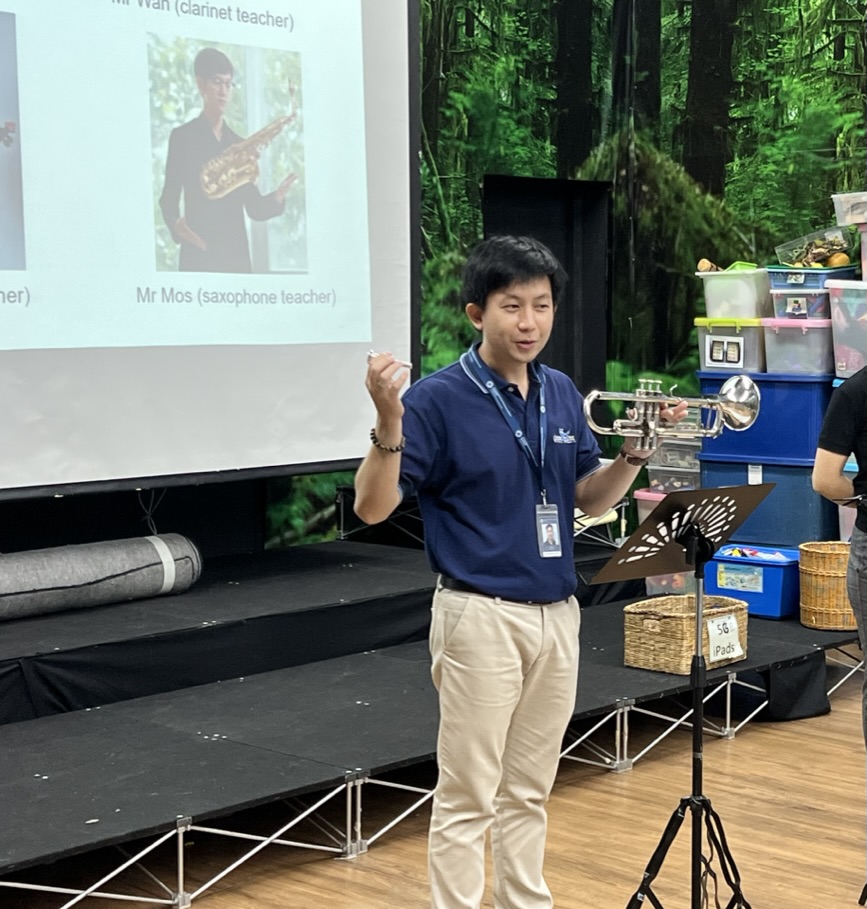
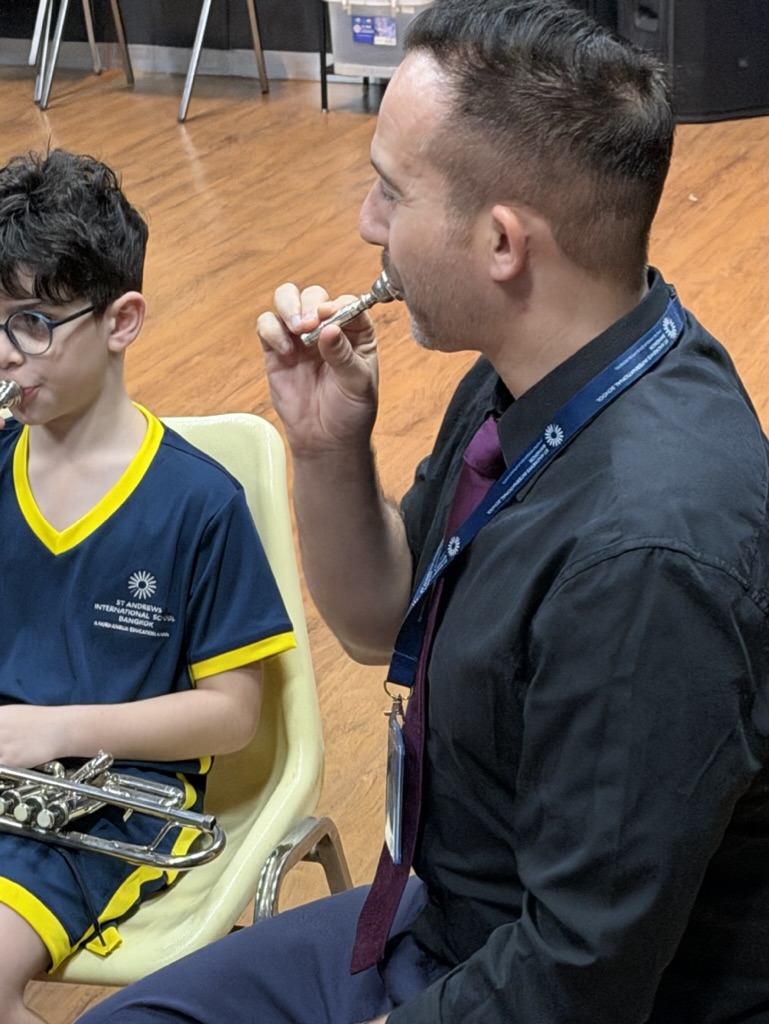


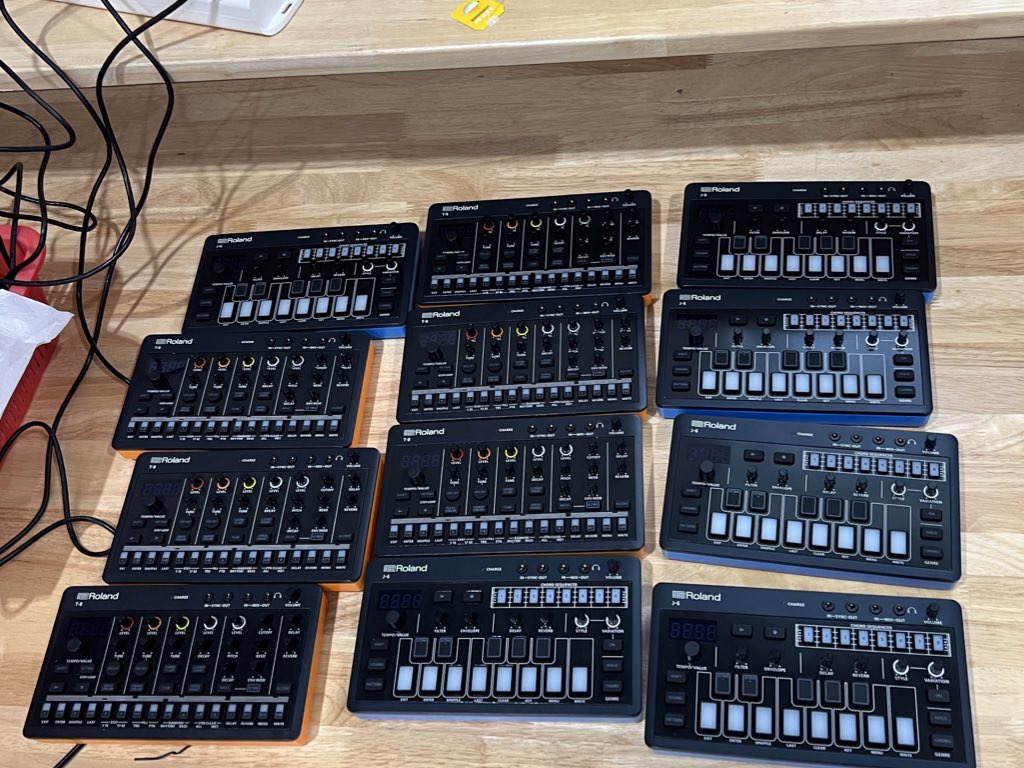

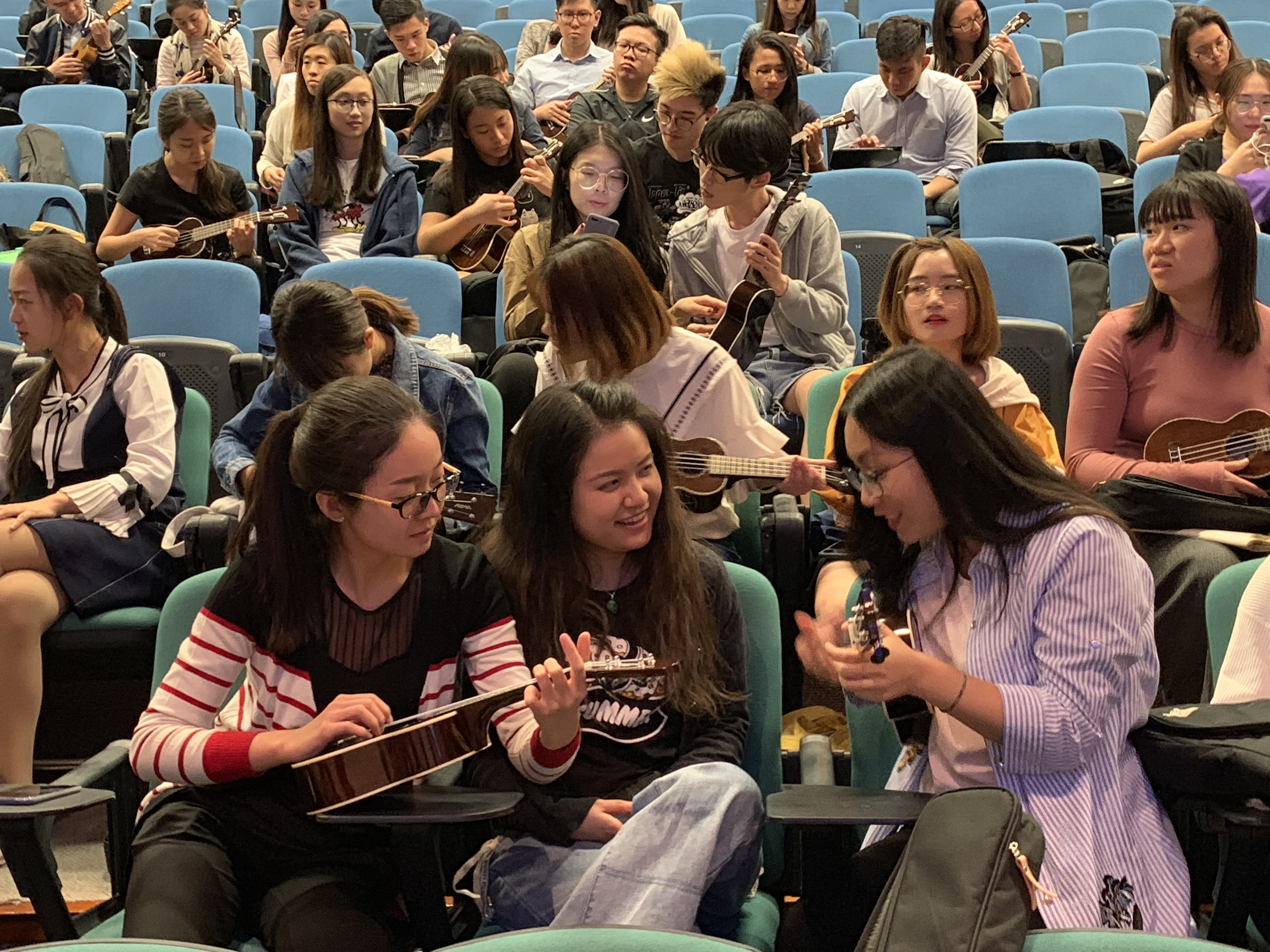

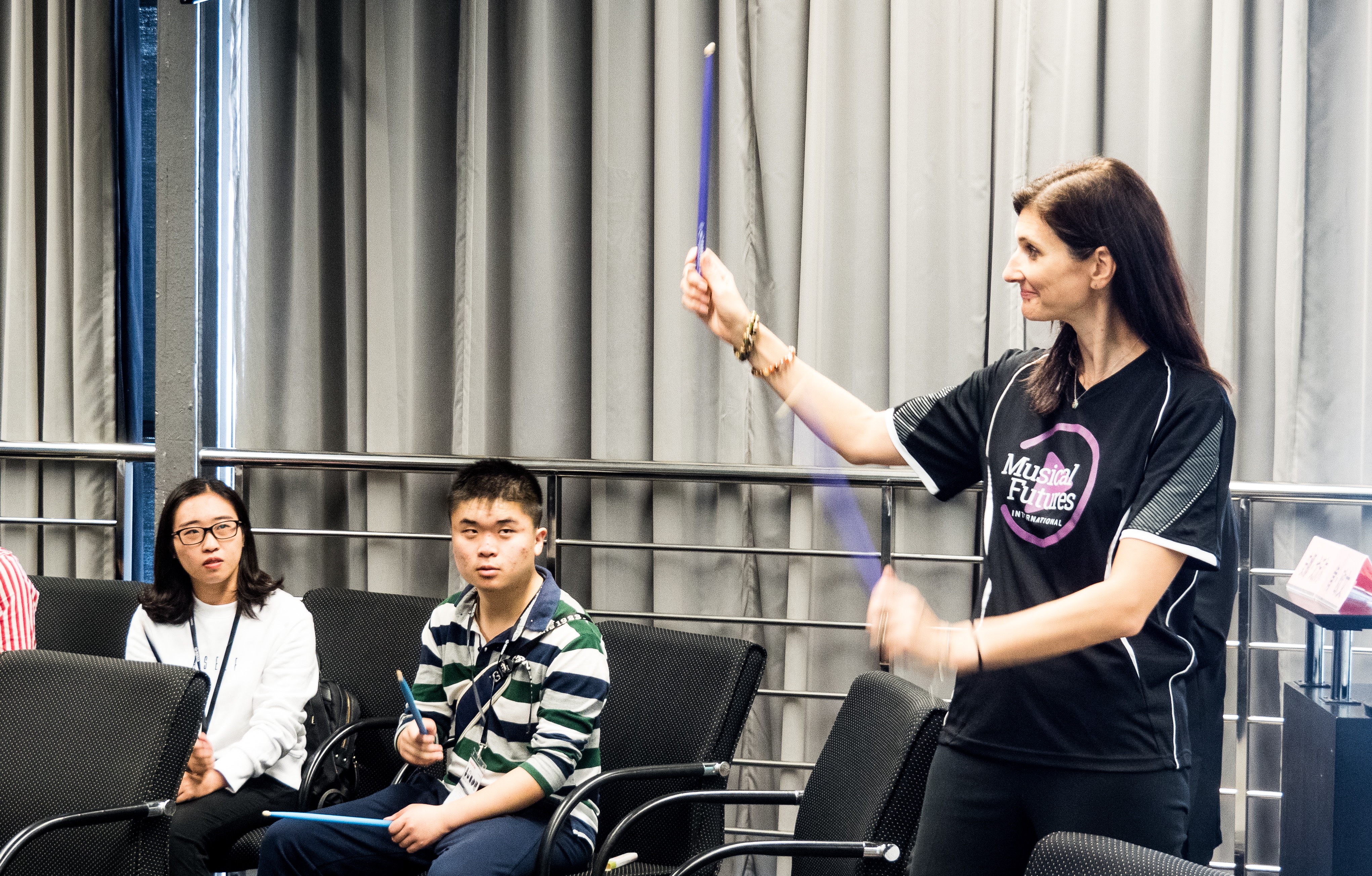


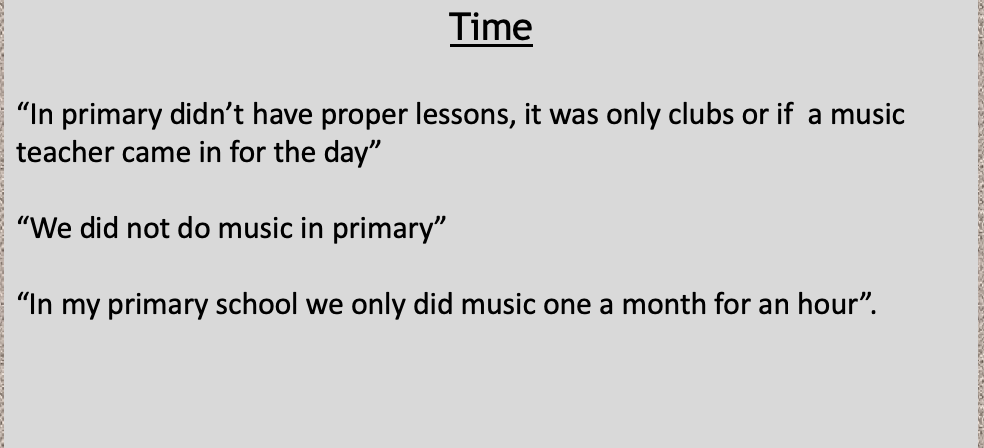


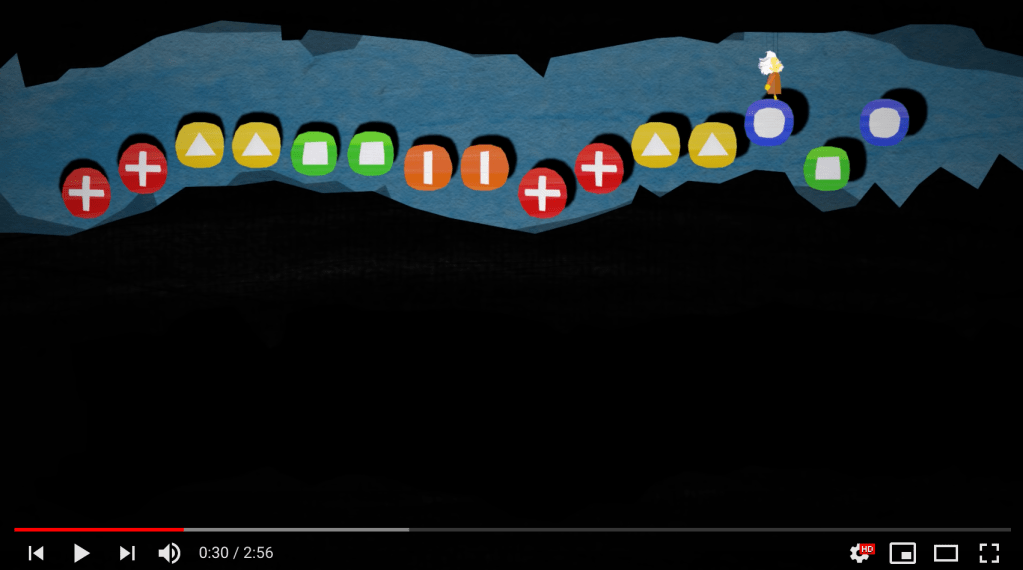
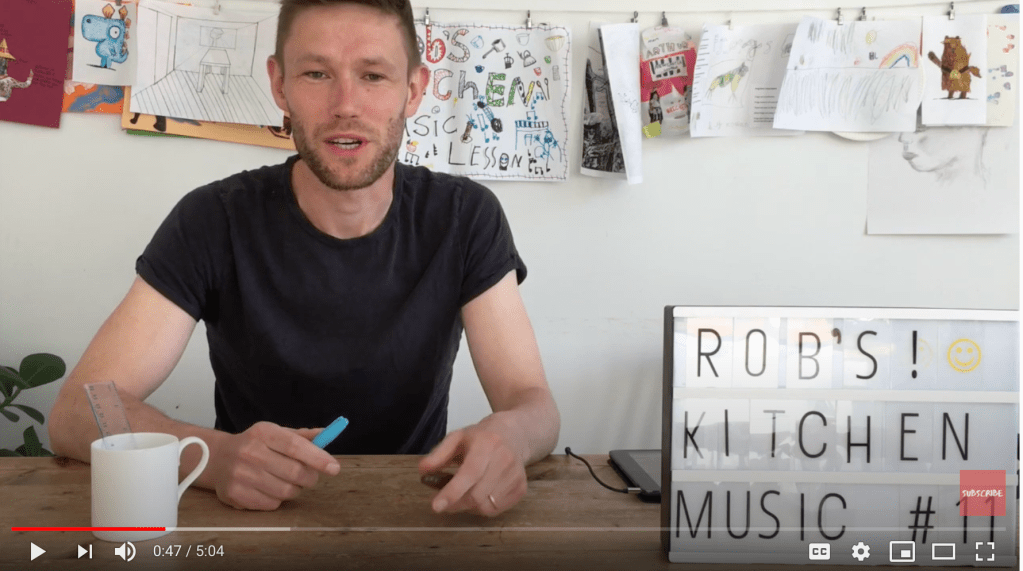

 Anna Gower