Instrumental Learning in International Schools: Key Findings and Practical Considerations FOBISIA Music Conference 2025

In September 2025, as part of my ‘Tune In Live’ session at the FOBISIA Music Teacher Conference, I set out to capture a clear snapshot of group and whole class instrumental learning across FOBISIA schools. The aim was to establish a starting point for developing shared strategies for implementing and leading instrumental learning. My interest in this area comes from managing the primary section of our instrumental programme over the past two years at St Andrews International School. At our school every student in Years 5 to 9 is given an instrument/log into an online DAW and receives one hour of tuition each week for the full five years. This system was already in place when I joined the school, first as a Teacher of Music and later as Head of Primary Music, although in the last 2 years we have expanded what we offer from the original 5 orchestral instruments to 7 and added an electronic music production stream called Young Producers to build a more varied and progressive offer for our students.

At this year’s conference the session time was limited, so I used several approaches to make the most of the expertise within the FOBISIA Music community. On arrival delegates helped create a visual map of current practice by placing post-its on a timeline to show what their schools provide. I also placed key questions on posters around the room and asked colleagues to add their own responses. These questions were drawn from issues raised at the previous conference, from my own experience and from discussions within a primary music focus group I am part of.

The review of whole class and co-curricular instrumental programmes across a range of international schools shows a diverse landscape. Programmes differ in structure, time allocation, instrument choice and progression models, but several consistent themes emerge. These themes provide useful guidance for anyone designing or refining an instrumental learning programme.
Wide variation in programme design

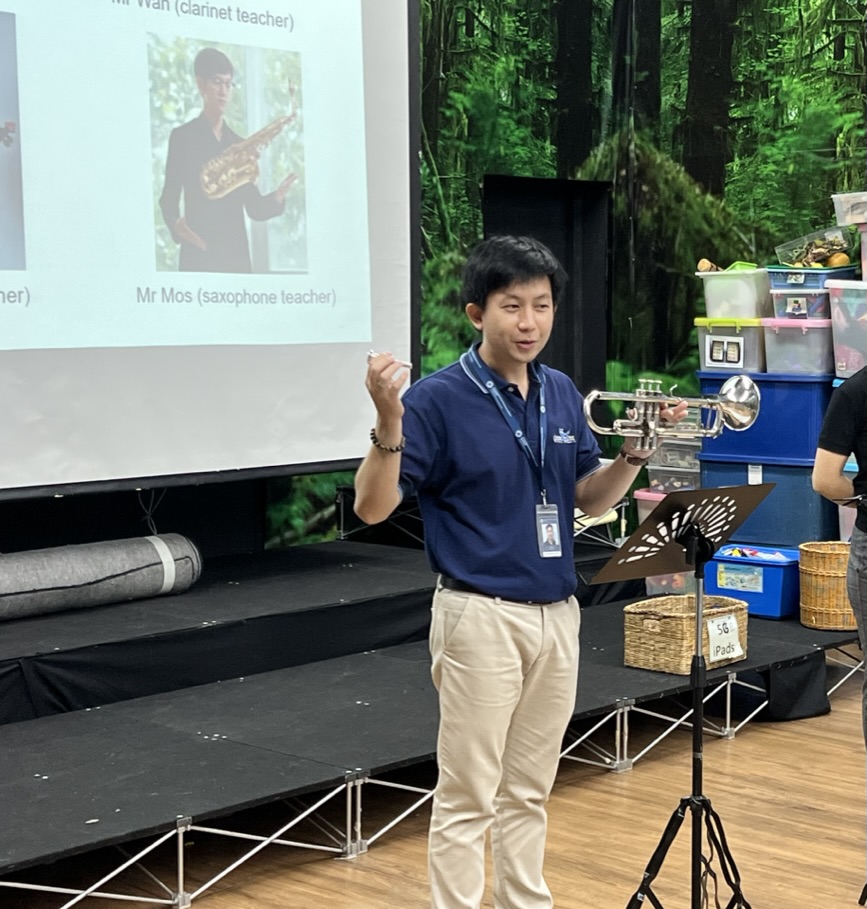
The case studies show no single model for whole class instrumental learning. Provision ranges from one hour per week on a single instrument for several years to termly rotations through different families of instruments.
Some schools base instrument choice on existing staffing. Others design programmes around ensemble needs. Several schools like us are exploring new pathways, such as electronic music or msuic production, for students who are less engaged with more ‘traditional’ (orchestral) instrumental routes.

A common challenge is space and logistics. Managing large groups, multiple instrument types and varied ability levels places significant pressure on room layout, storage and staffing.

Instrument choices and ensemble alignment

Across the schools studied, the most common whole class instruments are ukulele, recorder and violin. These appear across all age groups due to their affordability, durability and accessibility for beginners.
Cello, keyboard, tuned percussion and viola have moderate uptake.
Brass instruments and flute are less common, usually due to cost, size, noise levels or lack of specialist staff.
Rare instruments such as harp or bassoon appear only occasionally.

Several schools identified the importance of selecting instruments that support later ensemble development. Where the initial choices were too narrow or lacked balance, schools later added lower strings or brass to strengthen ensemble structures.

Progression pathways are essential for long-term engagement

Structured progression is a common theme across all models. Clear pathways increase retention and help students see the purpose of early instrumental work. Typical models include:
Whole class learning at no cost
Small group lessons as an optional or paid next step
Pathways into ensembles, orchestras or performance groups

Some schools continue these pathways into secondary years through compulsory participation, enrichment classes or more flexible programmes that broaden musical options.
The role of digital tools and adaptable resources

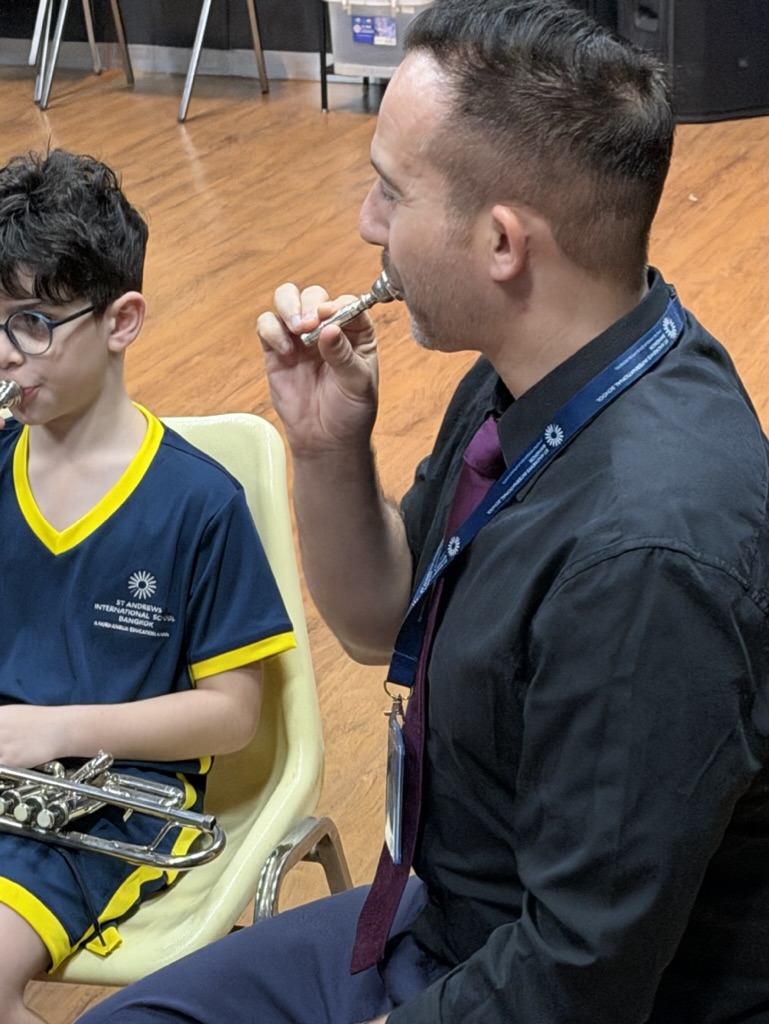
Several schools rely on digital tools to support whole class learning. Musescore, Charanga and video-based platforms such as Musical Futures International allow teachers to adapt music for varied ability levels and instrument combinations.
Beginner-friendly ensemble resources such as Vamoosh, Fiddle Time Joggers, Simply 4 Strings and Beginner Orchestra materials support mixed groups.

Digital tools also play a role in creating arrangements that fit unusual instrument mixes or limited instrument stocks, which is a frequent need in international settings.

The importance of collaboration and leadership support

Effective whole class programmes depend on coordinated staffing. The strongest models involve collaboration between classroom music teachers and peripatetic specialists. Regular planning time, peer observations, shared resources and leadership buy-in are key factors.

Leadership support is particularly important for funding, long-term planning and maintaining consistency when staffing changes. Schools report that inconsistent expectations and unclear progression routes create confusion for both staff and students.

Inclusion, access and cultural breadth

Inclusion is a central motivation for whole class instrumental work. Schools emphasise the value of providing access regardless of background or financial means. Many programmes also include cultural or traditional music, such as gamelan, Chinese ensembles, steel pans or local heritage instruments. These broaden the musical experience and support engagement.

Some schools have created alternative pathways, such as electronic music production-based streams, as a valued alternative to orchestral instrumental learning. These pathways still include performing and composing but use technology and hardware to ensure access.

Common challenges across all models

Despite the variety of programmes, several challenges appear consistently:
• Mixed ability and mixed experience groups
• Limited instrument choice due to cost or availability
• New students joining mid-year
• Risk of disengagement when learning becomes difficult
• Tracking progress across large or varied groups
• Limited space, storage and staffing
• Balancing performance focus with curriculum expectations
• Maintaining progression in environments with high student mobility

These issues require systematic solutions rather than individual fixes.

Practical Strategies for Strengthening Instrumental Learning

The findings across schools suggest several practical approaches that can support effective instrumental learning, regardless of programme model.

1. Establish clear routines and systems

• Create consistent systems for budget, purchase, setup, handling, repairs and storage of instruments.
• Provide simple visual guides for younger learners and practical checklists for older groups.
• Keep equipment accessible to minimise lost lesson time.

2. Choose instruments that support long-term ensemble development

• Balance accessibility with future ensemble needs.
• Ensure instrument families include lower instruments (eg trombone/cello) where possible.
• Review instrument choices periodically as staffing or resources change and survey students and parents regularly to monitor engagement.

3. Build progression into the programme from the start

• Set out clear steps from whole class learning into small groups and ensembles.
• Communicate these pathways to students, parents and staff.
• Allow time for ensemble skills development alongside instrumental learning.

4. Use adaptable resources to manage mixed groups

• Select materials that suit varied ability levels within a single class.
• Use digital tools to adjust keys, simplify parts or create flexible ensembles.
• Maintain a shared library of graded repertoire.

5. Strengthen collaboration with peripatetic staff

• Involve specialists in planning so that resources and expectations are aligned.
• Provide opportunities for joint teaching where possible.
• Ensure that peripatetic input is recognised and supported by leadership.

6. Plan for inclusion from the outset

• Provide alternative pathways, such as digital or production-based options.
• Keep instrument groups small enough for meaningful support.
• Ensure new students have entry points that do not rely on previous experience.

7. Keep the cultural dimension active

• Include traditional or regional instruments where available.
• Use ensemble projects to expose students to unfamiliar styles.
• Link cultural units to performance opportunities.

The Recreate Challenge: Fostering Persistence and Skill Development in Young Music Producers

The ‘Aspire Young Producers’ project at St Andrews International School is supported by Musical Futures International and Roland. Read more about the Primary School Young Producers Programme here.

Introduction

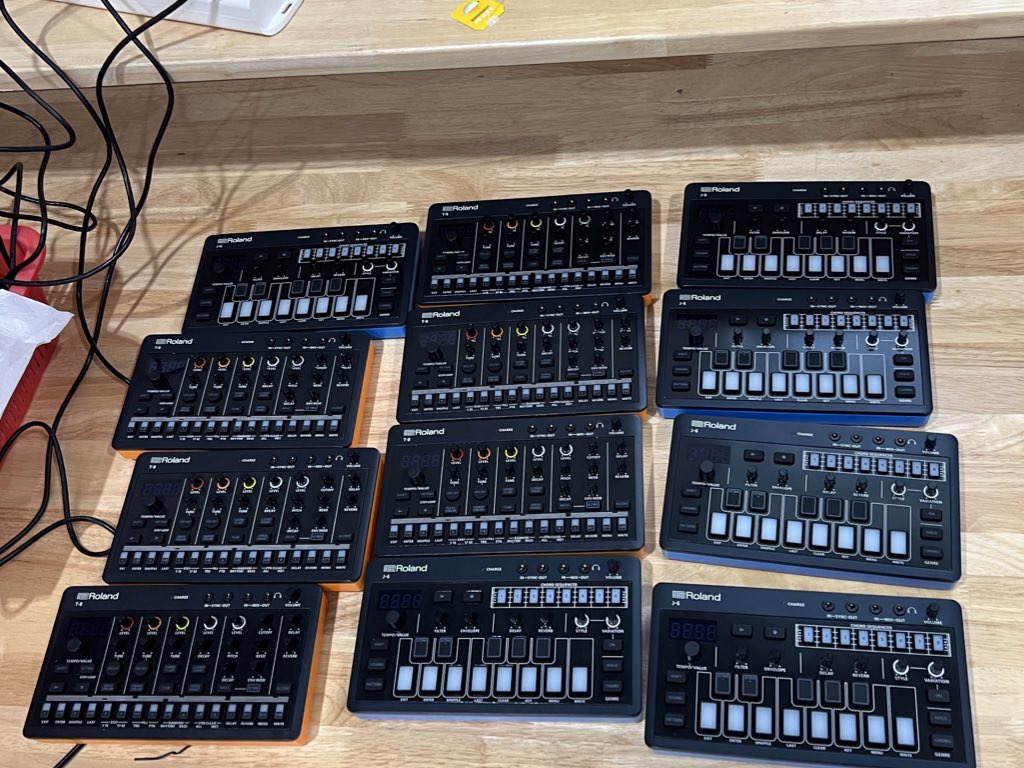
As music educators, we often face the challenge of maintaining student engagement and encouraging skill development when using music technology for learning. In my Year 6 Young Producers class, I observed an interesting pattern: after observing an initial period of play-based exploration with Digital Audio Workstations (DAWs) and hardware like the Roland T8 and J6, my students tend to abandon projects and start a new one rather than reflect, refine, accept feedback and finish them. This is despite one aim of the project to be grounded in student choice, with me as the teacher offering personalised and tailored feedback and support. These observations led to the addition of the Recreate Challenge to our Year 6 Young Producers curriculum, a project designed to encourage persistence, identify learning gaps, and gather student reflections on their learning to date.

Aims of the Recreate Challenge

I developed the Recreate Challenge with several objectives in mind:

  1. Encourage students to see a project through to completion
  2. Identify gaps in their technical knowledge and skills
  3. Gather reflections on their creative process
  4. Provide a structured yet creative task with a clear goal

Implementation and Overview

The challenge was structured in three distinct parts:

Part 1: Choose and Recreate a Song

Using the Musical Futures Recreate Resources, students were asked to:

  • Choose a tool from Soundtrap, GarageBand, or Roland T8s/J6s (based on what we have available)
  • Select a song from a provided list
  • Complete a recreation of the chosen song using their selected tool

This part of the challenge allowed students to apply their skills in a focused, goal-oriented task while working with familiar tools and resources.

Part 2: Reflection

After completing their recreation, students were given a reflection sheet. This encouraged them to think critically about their experience, considering questions such as:

  • What aspects of the recreation did they find most challenging?
  • Which skills did they feel improved during the process?
  • How did this structured task differ from their previous exploratory work?
  • What new insights did they gain about music production?

This reflective component was crucial in helping students articulate their learning and in providing me with valuable insights into their progress and needs.

Part 3: Design a Medal

As a final, creative touch to the challenge, students were asked to design a medal that would recognize the completion of all three tasks. This aspect of the challenge served multiple purposes:

  • It provided a tangible goal for students to work towards
  • It allowed for creative expression beyond music production
  • It reinforced the sense of achievement in completing the challenge

Implementation

Students were given clear guidelines for each part of the challenge, including:

  • A specific timeframe for completion
  • Prompts for the reflection sheet
  • Template for the medal design

To motivate participation, the completed medal designs were printed and stuck onto medals we had left over from an instrumental competition (that the producers hadn’t really engaged with given its traditional focus on singing and instruments rather than music production)

Outcomes and Observations:

NB many of my learners have English as a second language so I have left their words unedited, as they wrote them to me.

The Recreate Challenge yielded several positive outcomes:

1. Increased Persistence: Students showed greater commitment to completing their projects even though they would tell me several times that they were finding it hard. The clear structure around the task and being able to refer them back to the tutorial videos, encouraging them to start again if needed helped me to focus my support on keeping them motivated and encouraging them to problem solve for themselves rather than rely on me to do it for them

  • Things I found hard – the complicated video and buttons ( tried more than 5 times) 
  • Recreating songs is hard work

2. Skill Identification: Both students and I could clearly see which areas of music production need more focus in the next stage of teaching and this came out in the reflections. I was also encouraged by the learning they identified as having taken place

  • Piano Roll is INSANELY DIFFICULT , I don’t know why but it’s absolutely a nightmare to do it.
  • The piano roll is complicated 
  • I found the Lead , Pad and Bass very difficult because of the complicated controls of the piano roll and the insane zoom in and zoom outs and gaps.
  • I learnt how to use the patterns beatmaker which was something that I didn’t even know it existed 
  • I learnt how to add new tracks with instruments
  • I learnt how to use the Piano Roll
  • The zoom feature is especially useful , the zoom in and zoom outs help a lot with small details
  • There are lots of different sounds to select from in the DJ Controls , my favourite being Sunset City
  • The piano roll, because it is hard to place the notes, and the bass because it is hard to look for the style

3. Problem-Solving:It was interesting to watch the students discover that they needed to think for themselves as well as follow the videos. I was also really interested to observe that having mostly chosen chosen Soundtrap as their preferred platform, perceiving the J6 and T8 devices as ‘too hard’, some changed their minds, discovering that they had not even scratched the surface of what the DAW could do in their play-based work to date and that actually it was more challenging than they first thought.

  • It really hard to make beats with instruments 
  • Lyric are hard to add
  • It hard to recreate to song perfectly
  • Platform I chose – J-6, Why I chose it – The computer was too hard

4. Peer Learning: Sharing their processes led to valuable peer-to-peer knowledge exchange. In some cases, children started to work in pairs to trouble-shoot together and I actually joined a group to learn alongside them in one case when they were on the verge of giving up completely, only to step back when they got going again.

  • Adding things on the piano roll was hard because I never used it and I didn’t know how to make it 16 bars like in the video but I found out in the end
  • I didn’t make any large changes to my choices but at first , we were going to do Save Your Tears by The Weeknd since we thought it sounded best but me and and my friend decided that Birds Of A Feather sounded better

5. Reflection Skills: Students improved their ability to articulate their creative decisions and challenges.

  • At First, I chose GarageBand because I wanted to try new things but changed from GarageBand to Soundtrap because GarageBand was a bit difficult for me as I have never used it to make music.
  • I chose this song because this song my childhood classic so I know how the song goes so I’m really used to it and I love it (but) I actually changed the blinding lights to save your tears and it was really hard to make the beat because it has a low high low high pitch which will make it extremely hard.

Many students reported a sense of accomplishment in completing the challenge. Common reflections included:

  • I found it easy when I concentrate and understand I’m able to do it and when I do it many time because I did lots of mistakes it make me use to it more
  • (I learned) how to react (and) to use new things 
  • Aira is cool
  • I like succeeding

Conclusion

Based on the outcomes of the Recreate Challenge, I identified several areas for future focus in our scheme of work, which I will refine as a result of this project since this is the first year we have run it alongside our Y5 and 6 intrumental programme.

The Recreate Challenge proved to be an effective way to encourage persistence, identify learning needs, and foster reflection among young music producers. By providing a structured yet creative task, students were able to deepen their skills and gain valuable insights into the music production process. This approach not only enhanced their technical abilities but also developed important soft skills like problem-solving and self-reflection.

As we move forward, the insights gained from this challenge will inform our curriculum, ensuring that we continue to engage and challenge our young producers in meaningful ways.